
Select where you want to go on this page
About John and his goal
John is 57 years old, and is an NDIS participant.
He lives in a house with his son.
John has an acquired brain injury. He finds it hard to see, and has difficulty with:
- remembering to do things
- planning things for himself
- getting started and completing activities in his day-to-day life.
John spends a lot of time watching television. He had a goal to develop daily care and life skills – so he can do more things on his own every day.
John wanted to listen to his audiobook every afternoon, from Monday to Friday.
He did not want his support workers to help him with this activity. He wanted to learn to do this activity on his own.
John’s current supports
John needs support with tasks during the day. He has support from:
- family and friends - who help John with day-to-day tasks
- support workers - who help John with day-to-day activities
- an occupational therapist - who helps John find ways to do everyday tasks
- a social worker - who helps John build his skills and manage problems in his life
- a diversional therapist – who helps John develop daily care and life skills.
John’s future supports needs
John talked to his occupational therapist about his goal.
They talked about the supports he needed to reach his goal.
His occupational therapist thought assistive technology could help, and John agreed.
Choosing assistive technology with John
John’s occupational therapist thought about assistive technology that:
- met his needs
- was right for him.
John’s occupational therapist used a tool called the framework for evaluation of assistive technology to look at 2 assistive technology products:
1. Smart watch
Smart watches are a type of wearable assistive technology that you can wear on your body.
A smart watch can:
- keep you healthy
- remind you to do things
- help you plan things for yourself
- help you organise things for yourself
- help you get started and complete activities in your day-to-day life.

2. Smart motion sensor and speaker(Aqara FP2 presence sensor and Amazon Echo speaker)
The smart motion sensor and speaker are 2 assistive technology products that can work together to help you:
- do more things on your own
- develop your skills.
The technology can be set up to communicate with you at any time:
- in the morning
- in the afternoon
- overnight.
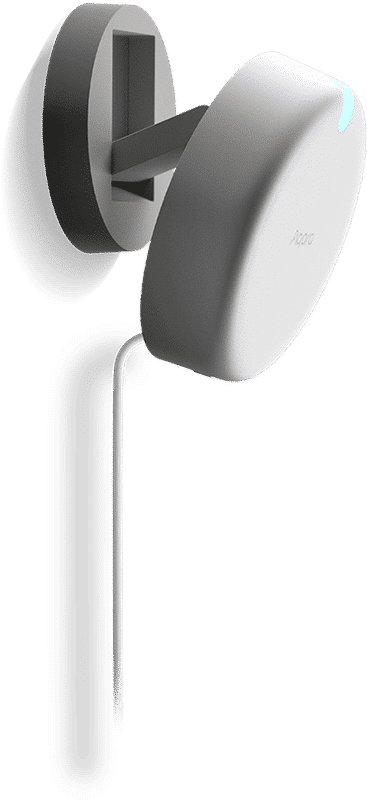
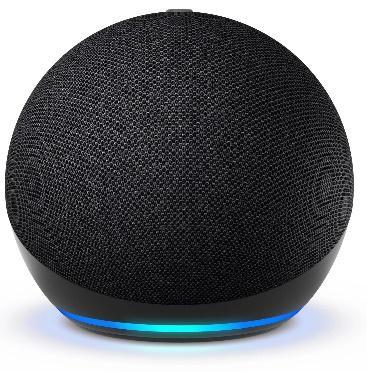
The motion sensor can be put on a wall in your home.
The sensor helps the speaker know when you are nearby.
The speaker will then play a voice message at set times of the day and week that you choose.
For example, it can ask “Do you want to listen to your audiobook”.
If you reply “Yes”, the audiobook will start playing using an online app, like Audible.
John’s outcomes
John and his occupational therapist agreed to try the smart motion sensor and speaker. His occupational therapist:
- did the paperwork and sent it to his funding organisation. This included reports and quotes.
Funding is money from the government that pays for supports and services for John.
Once John had the funding, his occupational therapist went to his home and helped to:
- set up the assistive technology
- show John how to use it.
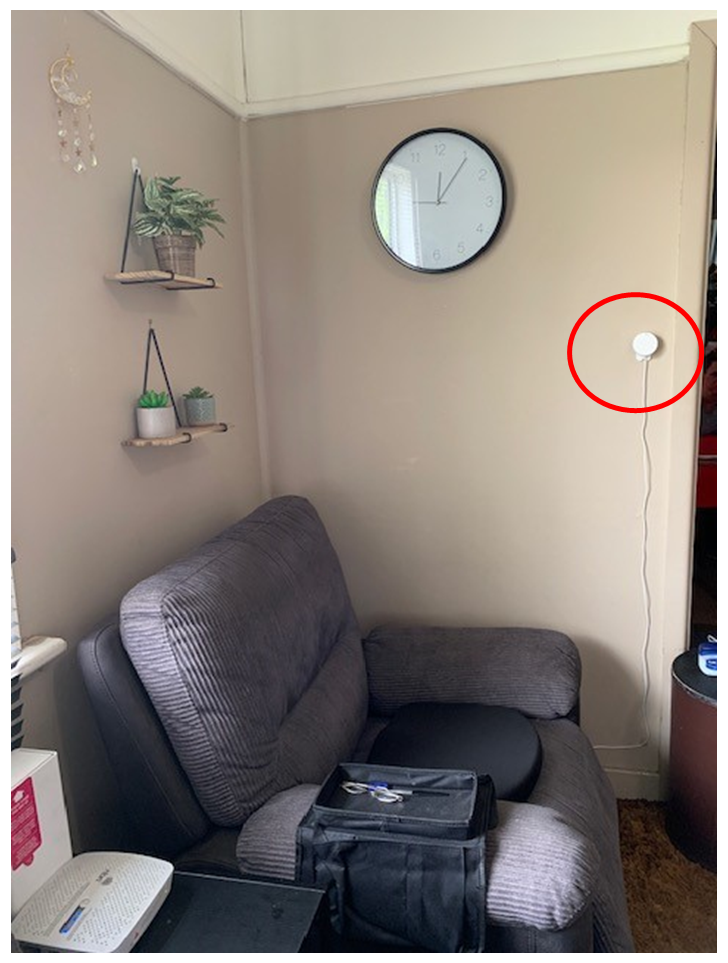
A movement sensor was placed on the wall near to a chair that John sits on in his living room.
The speaker was set to communicate with John from 1.30pm to 3.30pm on Monday, Tuesday, Wednesday, Thursday and Friday.
These days and times were chosen as his support workers said this was a time when John would say he was bored.
The speaker would ask: “Good afternoon John, do you want to listen to your audiobook?”
If John replied, “Yes”, his audiobook would start playing using an online app called Audible.
After 3 months of using the assistive technology, John and his occupational therapist checked to see if:
- it met his needs
- was right for him.
The assistive technology had helped John to listen to his audiobook every afternoon, from Monday to Friday.
John wanted to keep using the assistive technology.
He also asked to use the assistive technology to do other daily care and life skills. For example, listen to music.
The occupational therapist helped to:
- make changes to the assistive technology
- show John how to use it to listen to music.