
Select where you want to go on this page
About Katie and her goal
Katie is 34 years old, and is an NDIS participant.
Katie lives with her mother, father, and partner.
Katie has an acquired brain injury. She has difficulty with:
- remembering to do things
- planning things for herself
- organising things
- getting started and completing activities in her day-to-day life.
Katie wanted to be more independent – so she can do things for herself.
One of her goals was to remember to take her medication every morning between 9.30 and 10am.
She no longer wanted her mother to have to remind her to take her medications.
Katie’s current supports
Katie has support from:
- her family - who help Katie with day-to-day activities
- an occupational therapist - who helps Katie find ways to do everyday tasks
- a speech pathologist - who helps Katie with how she talks and communicates
- a psychologist - who helps Katie with the way she thinks and feels about things.
Katie’s future supports needs
Katie talked to her occupational therapist about her goal to be more independent.
They talked about the supports she needed to reach her goal.
Katie’s occupational therapist thought assistive technology could help, and Katie agreed.
Choosing assistive technology with Katie
Katie’s occupational therapist thought about assistive technology that:
- met her needs
- was right for her.
Katie’s occupational therapist used a tool called the framework for evaluation of assistive technology to look at 2 assistive technology products:
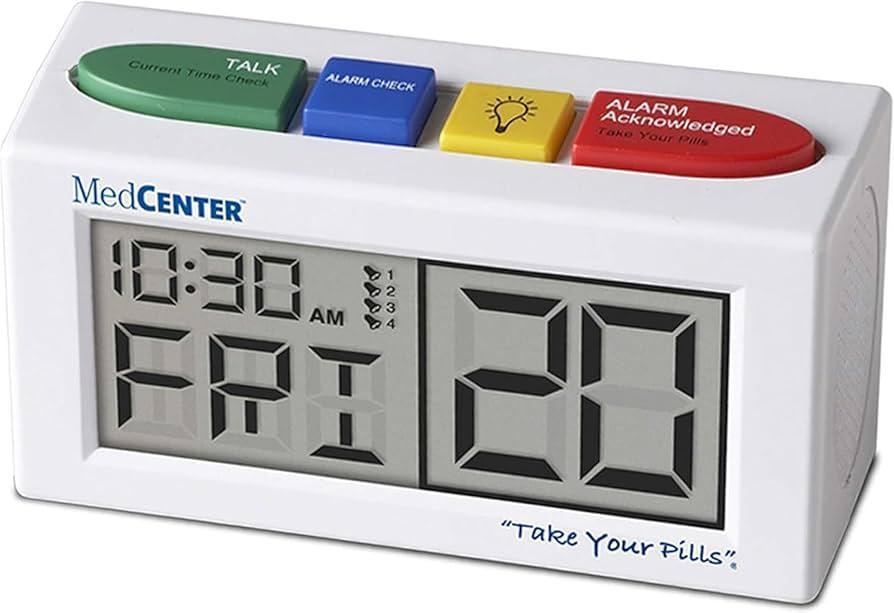
1. Reminder clock
Reminder clocks are assistive technology to help you remember to do day-to-day tasks. For example:
- to take your medication
- to go to an appointment.
Reminder clocks can help you remember a task at any time:
- in the morning
- in the afternoon
- overnight.
Reminder clocks can help you remember a task using:
- a voice message
- an alarm which plays a sound, or vibrates.
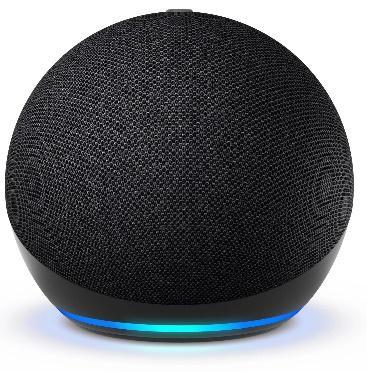
2. Smart motion sensor and speaker (Eve motion sensor and Amazon Echo speaker)
The smart motion sensor and speaker are 2 assistive technology products that can work together to help you:
- do more things on your own
- develop your skills.
The technology can be set up to communicate with you at any time:
- in the morning
- in the afternoon
- overnight.
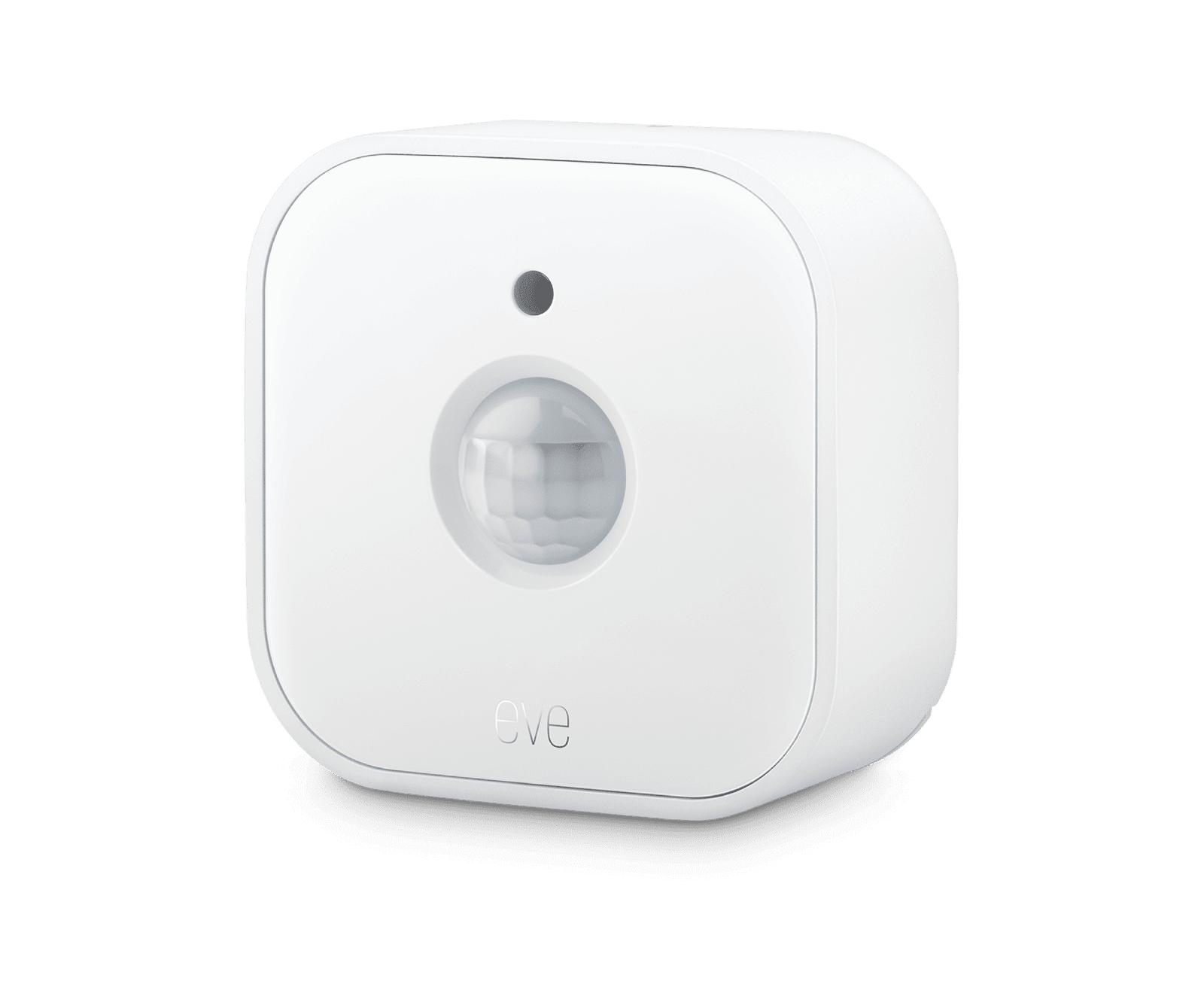
Movement sensors are put in your home.
The sensors help the speaker know when you are nearby.
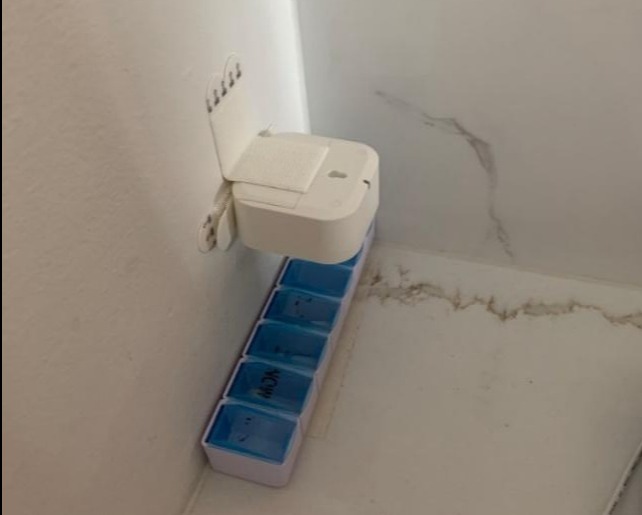
For example, the sensor can be put above a medication storage box.
The speaker can be set to play:
- a voice message
- music.
You can choose the:
- voice message
- music.
The sensor can collect information about how you live in your home. For example, it will know when you have taken your medication.
When you take your medication, the speaker will stop playing the voice message and music.
Katie’s outcomes
Katie told her occupational therapist that she had tried alarms before. She said alarms:
- did not meet her needs
- were not right for her.
Katie and her occupational therapist agreed to try the motion sensor and speaker.
Katie thought that a voice message and music would help her to remember to take her medication.
Her occupational therapist went to Katie’s home to:
- set up the technology
- show Katie how to use it safely.
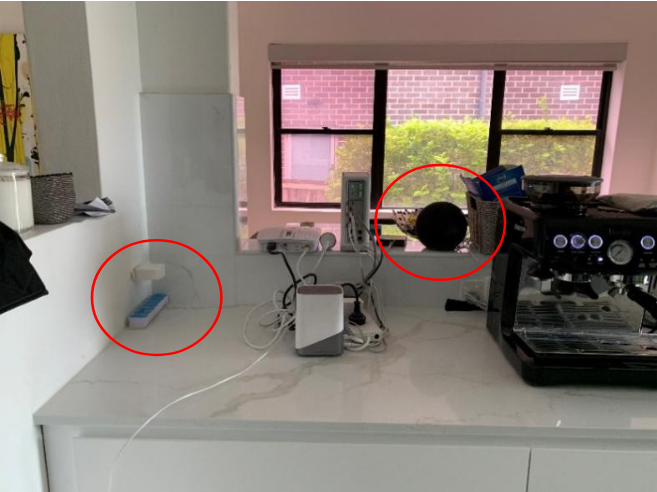
The smart motion sensor was put above Katie’s medication storage box.
1 smart speaker was put near to the sensor in the kitchen.
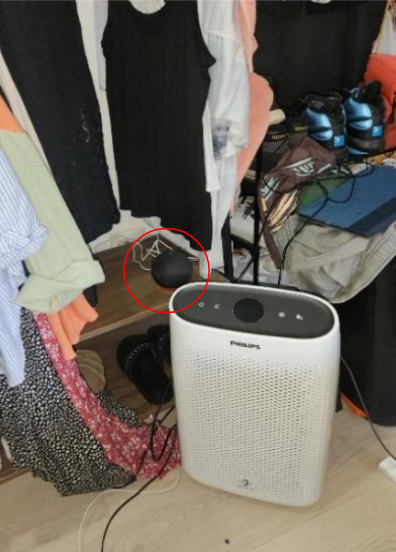
1 smart speaker was put in Katie’s bedroom.
Katie was asked to choose:
- the music
- voice message.
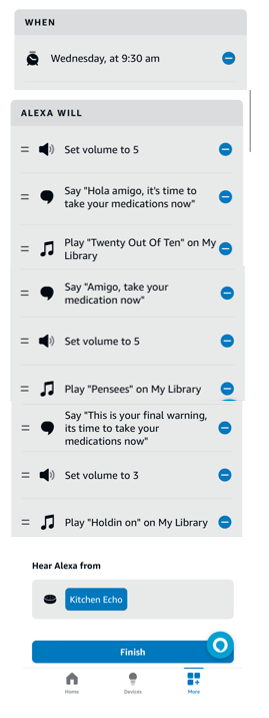
Katie chose:
- 3 songs
- 3 voice messages.
The volume of the speaker was set so that Katie could hear the music and voice message when she was in:
- her bedroom
- the kitchen
- the living room.
Her occupational therapist explained that the music and voice messages would:
- start at 9am
- stop at 10am, or when she had taken her medication.
After 3 months of using the assistive technology, Katie and her occupational therapist checked to see if:
- it met her needs
- was right for her.
The assistive technology was helping Katie to be independent.
Katie no longer needed her mother to tell her to take her medication every morning.
Katie wanted to keep using the assistive technology.