
Select where you want to go on this page
About Sam and their goal
Sam is 25 years old, and is an NDIS participant.
Sam lives with their mother, father, and brother.
Sam enjoys:
- art, like painting and drawing
- going to the gym
- watching television and movies
- going out for food and drinks in their community
- going on holidays with their family
- playing with their pet dog.
At the age of 19, Sam had a car accident which led to an acquired brain injury. Sam now has difficulty with:
- remembering to do things
- planning things for themselves
- getting started and completing activities in their day-to-day life.
Sam wanted to be more independent – so they can do things for themself.
One of their goals was to remember to brush their teeth.
They no longer wanted their family to have to remind them to do this activity every night.
Sam’s current supports
Sam has support from:
- their family - who help Sam with day-to-day tasks
- an occupational therapist - who helps Sam find ways to do everyday tasks
- a speech pathologist - who helps Sam with how they talk and communicate
- a psychologist - who helps Sam with the way they think and feel about things.
Sam also has a mobile phone and uses an app to remind them to do day-to-day activities such as:
- taking medications
- washing their clothes.
Sam’s future supports needs
Sam talked to their occupational therapist about their goal to be more independent.
They talked about the supports they needed to reach their goal.
Their occupational therapist thought assistive technology could help, and Sam agreed.
Choosing assistive technology with Sam
Sam had told their occupational therapist about an app they used on their phone. The occupational therapist asked Sam and their mother about this app. Sam’s mother said:
“When Sam started using the app it worked well. They were remembering to do day-to-day activities like taking their medications and washing their clothes. But the app no longer helps Sam do these activities. They now forget the activities they need to do.”
Sam’s occupational therapist thought about other assistive technology that:
- met their needs
- was right for them.
Sam’s occupational therapist used a tool called the framework for evaluation of assistive technology to look at 2 assistive technology products:
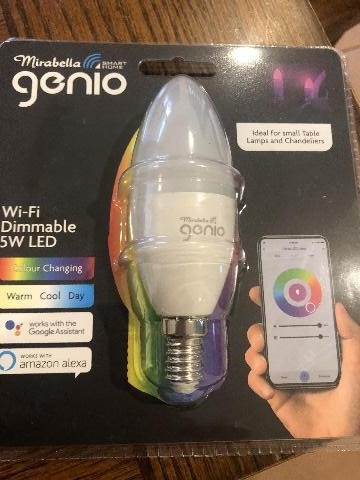
1. Smart lighting
Smart lighting is an assistive technology product that connects to wifi in your home.
Wifi is a way to connect to the internet.
You can set the light to come on at any time.
You can choose the colour of the bulb.
2. Sofihub
Sofihub is an assistive technology product that can help you:
- do more things on your own
- develop your skills.
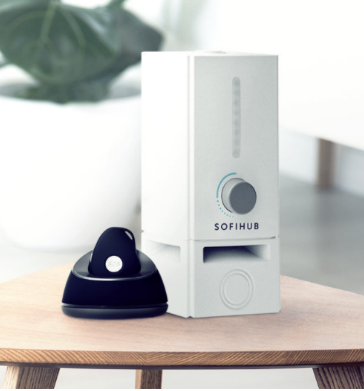
Sofihub can be set up to communicate with you at any time:
- in the morning
- in the afternoon
- overnight.
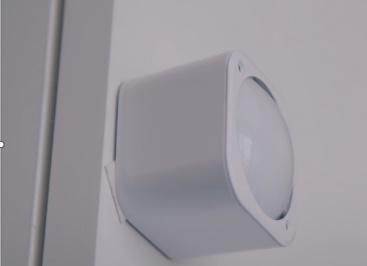
Movement sensors can be put in your home.
The sensors help Sofihub know when you are nearby.
This could be on:
- doors
- drawers and cupboards
- beds
- furniture, such as chairs and sofa.
Sofihub will only communicate with you:
- at set times of the day and week that you choose
- when you are near one of the sensors in your home.
Sofihub can be used to help you remember to do activities or tasks. For example to:
- brush your teeth
- take medication
- prepare meals
- put the bins out
- take items with you when going out of the house.
Sam’s outcomes
Sam and their occupational therapist agreed to try smart lighting.
Sam thought a light in their bathroom would help them to remember to brush their teeth at night.
Their occupational therapist went to Sam’s home to set up the smart lighting.
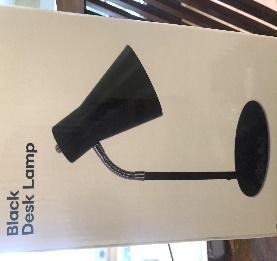
The smart lighting was put in a desk lamp.
The occupational therapist put the lamp next to Sam’s toothbrush in their bathroom.
Sam was asked to choose the bulb colour.
Sam chose the colour purple.
Their occupational therapist showed Sam how the smart lighting would work.
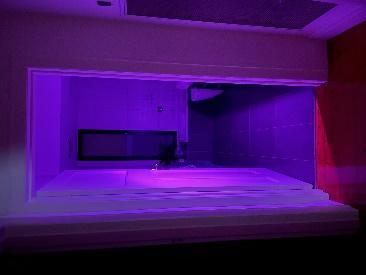
They explained the light would:
- come on at 10pm
- go off at 11pm.
The occupational therapist asked Sam’s mother to collect information every night.
They wanted to find out if:
- Sam brushed their teeth independently
- Sam’s mother had to remind them to brush their teeth.
The information was used to check the smart lighting:
- met Sam’s needs
- was right for them.
The smart lighting was helping Sam to be independent.
Sam no longer needed their mother to tell them to brush their teeth every night.